“I am no longer my own, but yours. Put me to what you will, rank me with whom you will. Put me to doing, put me to suffering. Let me be employed by you or laid aside for you, exalted for you or brought low for you. Let me be full, let me be empty. Let me have all things, let me have nothing. I freely and heartily yield all things to your pleasure and disposal. And now, O glorious and blessed God, Father, Son, and Holy Spirit, you are mine, and I am yours. So be it. And the covenant which I have made on earth, let it be ratified in heaven. Amen.” - John Wesley, founder of Methodism
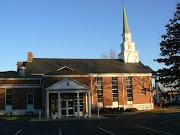
A spiritually significant event happened in the Sunday morning services on February 14. The people of Trinity United Methodist Church formally and officially renewed our recognition and acknowledgement that Trinity Church does not belong to us, but to God.
We did that by praying together John Wesley’s Covenant Prayer, printed above.
I know this is not the first time the people of Trinity have prayed that prayer. In fact, when I first moved into the pastor’s office here, I found several copies of a Covenant Service in which that same prayer had been used. Nonetheless, I believe it was a significant act.
I spent most of the sermon time talking about what it means to tell God that we “freely and heartily yield all things to your pleasure and disposal.” I told of two churches who have prayed that prayer. For one, God chose to “let it be full” and “let it have all things.” It’s now one of the largest United Methodist churches in the world. The other church was one of the largest United Methodist churches in its area when they prayed that prayer. God chose, at least for a time, to “let it be brought low.” (You can hear the sermon at www.trinityannapolis.org.)
When a church prays the Wesley Covenant Prayer, there is no guarantee which way God will take it. On February 14 the Trinity congregation heard the possibilities, took time to search their hearts, and were invited to freely pray it or not. It sounded to me as if almost everyone chose to pray it.
When we acknowledge that the church belongs to God and not to us, then it’s up to God what he wants to do with it. We know that it will be for the greater good, but it may not seem to be for our local good, at least at first.
I’m blessed that Trinity is a people who understand this. For instance, many were very skeptical of putting a big screen up in the front of our beautiful traditional sanctuary, but you were willing to go along with it if that’s what it takes to reach people who don’t know Jesus. And most of us have found now that we actually are glad to have the screen. Going along with God’s plan doesn’t have to be painful.
Of course, all this applies when we pray the same prayer for our own individual lives. Do you trust God that much?
So we’ve prayed the prayer. What will happen now? I believe that God will choose to take Trinity’s yieldedness to his will and turn that to something that, like the video screen, will not only bless our community but bless us as well. I can’t guarantee that, but it’s a feeling I have.
God has a plan for Annapolis. Trinity Church has now publicly said to God, “Whatever you need us to do to make your plan happen, we’ll do it.” I’m excited to see how God is going to answer that prayer. I don’t think we’ll have long to wait.
About Me

- Pastor David
- I serve as pastor of Trinity United Methodist Church in Annapolis, MD. I'm married to beautiful Paula, mother of my 4 sons and one daughter. I was a systems engineer before entering ministry 29 years ago.
Showing posts with label God's will. Show all posts
Showing posts with label God's will. Show all posts
Tuesday, February 16, 2010
Tuesday, January 12, 2010
What If I Didn't Get Healed? (Or Stay Healed?)
A few months ago Trinity Church hosted a guest speaker who led a weekend of healing services. There were some amazing reports of miraculous healings. Many of those who were healed are enjoying their new freedom. Praise the Lord for that!
But some people received prayer and didn't get healed. And others had their symptoms disappear, only to have them return again.
What's going on?
Some people say this kind of thing proves God doesn't really heal, it's all in people's heads. Others say it proves God is capricious or arbitrary or he plays favorites. Some say if you didn't get healed, you don't have enough faith, or the person praying didn't have enough faith, or the church doesn't have enough faith. Some say if something doesn't work every time, it isn't scientific, so forget it.
I don't buy any of that.
People don't get healed every time they go to a doctor. Does that mean all medicine is a fake?
People who do find relief through medicine sometimes find their symptoms returning. Does that mean we should forget the whole thing?
I believe God wants us well. The Bible refers to Christians as the children of God, the body of Christ, the bride of Christ, and the army of God. What loving Father wants his children sick? What head wants its body sick? What groom wants his bride sick? What general wants the army sick?
God so much wants us to be well that he has given us numerous redundant systems to make it happen.
In the natural realm, God put healing in our bodies through an incredible immune system. He gives us medicines, surgery, nutrition, exercise, and alternative therapies.
In the supernatural, the Bible describes a wide range of ways in which miraculous healings are ministered. I have seen people healed in many of these ways.
For a long time I didn't pay a lot of attention to the subject of healing, though I always believed in it and prayed for it and from time to time would see miracles.
Recently, though, God has brought this much more to my attention. In fact, I'm currently working on a book about what I believe are some neglected aspects of the subject. I appreciate your prayers for this project.
The ultimate healing, of course, comes after the death of this mortal body. That's when we receive our new resurrection bodies, fit for eternity. But God wants us well in this life.
God's will is not always done on earth as it is in heaven - that's why Jesus told us, in the Lord's Prayer, to pray for that to happen more. So sometimes people are not well. But that doesn't mean sickness is God's will.
To paraphrase Dr. Robert Tuttle, it's not a sin to be sick and die. But it is a sin to allow someone to be sick and die without doing everything we can to alleviate it.
That includes physical and spiritual remedies.
So I'm learning what I can, and doing what I can. I don't think any of us can do less.
P.S. I always appreciate comments, but I would really like to hear from you about this subject, especially if you have stories or questions.
But some people received prayer and didn't get healed. And others had their symptoms disappear, only to have them return again.
What's going on?
Some people say this kind of thing proves God doesn't really heal, it's all in people's heads. Others say it proves God is capricious or arbitrary or he plays favorites. Some say if you didn't get healed, you don't have enough faith, or the person praying didn't have enough faith, or the church doesn't have enough faith. Some say if something doesn't work every time, it isn't scientific, so forget it.
I don't buy any of that.
People don't get healed every time they go to a doctor. Does that mean all medicine is a fake?
People who do find relief through medicine sometimes find their symptoms returning. Does that mean we should forget the whole thing?
I believe God wants us well. The Bible refers to Christians as the children of God, the body of Christ, the bride of Christ, and the army of God. What loving Father wants his children sick? What head wants its body sick? What groom wants his bride sick? What general wants the army sick?
God so much wants us to be well that he has given us numerous redundant systems to make it happen.
In the natural realm, God put healing in our bodies through an incredible immune system. He gives us medicines, surgery, nutrition, exercise, and alternative therapies.
In the supernatural, the Bible describes a wide range of ways in which miraculous healings are ministered. I have seen people healed in many of these ways.
For a long time I didn't pay a lot of attention to the subject of healing, though I always believed in it and prayed for it and from time to time would see miracles.
Recently, though, God has brought this much more to my attention. In fact, I'm currently working on a book about what I believe are some neglected aspects of the subject. I appreciate your prayers for this project.
The ultimate healing, of course, comes after the death of this mortal body. That's when we receive our new resurrection bodies, fit for eternity. But God wants us well in this life.
God's will is not always done on earth as it is in heaven - that's why Jesus told us, in the Lord's Prayer, to pray for that to happen more. So sometimes people are not well. But that doesn't mean sickness is God's will.
To paraphrase Dr. Robert Tuttle, it's not a sin to be sick and die. But it is a sin to allow someone to be sick and die without doing everything we can to alleviate it.
That includes physical and spiritual remedies.
So I'm learning what I can, and doing what I can. I don't think any of us can do less.
P.S. I always appreciate comments, but I would really like to hear from you about this subject, especially if you have stories or questions.


Saturday, April 18, 2009
Sudden Death
Darlene Henry, the warm and talented wife of my predecessor as pastor of Trinity United Methodist Church, had a massive stroke Easter evening. She died three days later. Eddie retired two years ago, and Darlene was set to retire in two months.
This was the second unexpected death in the church family in as many weeks.
One of the first things that comes to most people’s minds in such a situation is, “Why?” We understand that everyone has to die, but when someone doesn’t reach what we consider a normal life span, we want a reason. There are those who get comfort from believing that God wills and causes everything that happens, and that we just have to trust that God had his reasons. This is not the place for a theological argument. Let me just say that the way I read the Bible, and the way my relationship with God leads me to understand him, makes me see it differently. We live in a fallen world where God’s will is not always done. People dying painfully or before their time is an example of that.
What hit me about both these deaths was the unexpectedness. We can make all the plans in the world, but tomorrow is never guaranteed. I’m all in favor of delayed gratification and prudent planning for retirement. But I have to ask myself, is there something I really want to do, something I believe is important, something I am putting off into an uncertain future, that maybe I should begin working on right now, or that might give me a reason not to work until they make me stop? Those books I want to write, if I believe they are going to be a blessing to other people, can I really afford to wait until I retire to start writing them? Those special things I want to do with Paula and the kids, how sure can I be that they and I will be around and healthy and able to enjoy them fifteen years from now?
Death makes you think about things.
This was the second unexpected death in the church family in as many weeks.
One of the first things that comes to most people’s minds in such a situation is, “Why?” We understand that everyone has to die, but when someone doesn’t reach what we consider a normal life span, we want a reason. There are those who get comfort from believing that God wills and causes everything that happens, and that we just have to trust that God had his reasons. This is not the place for a theological argument. Let me just say that the way I read the Bible, and the way my relationship with God leads me to understand him, makes me see it differently. We live in a fallen world where God’s will is not always done. People dying painfully or before their time is an example of that.
What hit me about both these deaths was the unexpectedness. We can make all the plans in the world, but tomorrow is never guaranteed. I’m all in favor of delayed gratification and prudent planning for retirement. But I have to ask myself, is there something I really want to do, something I believe is important, something I am putting off into an uncertain future, that maybe I should begin working on right now, or that might give me a reason not to work until they make me stop? Those books I want to write, if I believe they are going to be a blessing to other people, can I really afford to wait until I retire to start writing them? Those special things I want to do with Paula and the kids, how sure can I be that they and I will be around and healthy and able to enjoy them fifteen years from now?
Death makes you think about things.
Saturday, April 4, 2009
Babies, Babies, Babies!
Two days ago Paula and I went to visit one of our families and their new baby – what a cutie! This afternoon we plan to visit the families of two more babies recently born at Trinity. We are expecting another one any moment, and I have been told there are twins on the way within the next month or so.
That will make nine new babies at Trinity since October. Wow!
It’s a good thing we got the nursery renovated.
We’ve known about most of these babies for some time. One of them was a total surprise – a baby suddenly up for adoption, and just as suddenly adopted.
Some people say what God does or allows in the natural realm is often a sign of what God plans or intends for the spiritual realm. If that’s so, what does God have in mind for Trinity?
I’m not sure, but I think we should start thinking about renovating our spiritual nursery!
That will make nine new babies at Trinity since October. Wow!
It’s a good thing we got the nursery renovated.
We’ve known about most of these babies for some time. One of them was a total surprise – a baby suddenly up for adoption, and just as suddenly adopted.
Some people say what God does or allows in the natural realm is often a sign of what God plans or intends for the spiritual realm. If that’s so, what does God have in mind for Trinity?
I’m not sure, but I think we should start thinking about renovating our spiritual nursery!
Thursday, November 13, 2008
Is Bad Stuff a Punishment for Sins?
A few weeks ago someone wrote me an email asking whether our church believes bad things that happen to us are punishments for sins. I thought other folks might be interested in that question and my answer. So (because it's easier than writing something new), here is my answer. I'd love to hear what you think!
First, you ask “do we believe…?” It’s a rare theological question that can be answered with a sweeping “here’s what Christians believe.” That’s one reason I’m so interested in the other responses. I’ll say upfront that I’m coming from a premise that the Bible is true and a Wesleyan understanding of what it means. In regard to this question, that mainly means I believe God allows humans free will as opposed to predestining everything everyone does.
Rev. Leslie Weatherhead, a pastor in London during the German bombings of WWII, wrote a small book (I think it was called The Will of God) about that question in which he distinguished between God’s perfect will, God’s permissive will, and God’s ultimate will. Basically, he says that because of God’s regard for human free will, God allows some things that he would not prefer (things that people do that are against God’s will are called “sin,” and there is a lot of it), but that ultimately God’s plan unfolds as he desires in the end. In other words, we can mess up our lives and the lives of other people, but we can’t mess up God’s ultimate plan. Rev. 21-22 is going to happen some way, somehow. God is capable of taking our free will choices and weaving them together in such a way that ultimately his final plan works.
That’s the cosmic scale. On an individual level, a lot of the things we experience are the result of what you might call generic human sin, the accumulation of the results of the sinful choices of human beings since Adam and Eve – your “trickle-down effect.” Wars, man-made ecological disasters, etc. are examples of that. Others are the result of the fact that at the Genesis fall, the world was knocked out of kilter (see Romans 8:19-22). In other words, when God created the world, it was good. It didn’t have these destructive hurricanes, earthquakes, etc. And when the earth is restored at the end of time, those things won’t happen either. Same thing with sickness. Jesus healed every sick person who asked him to. There is no sickness in heaven (Rev. 21:4), and Jesus told us to pray that God’s will would be done on earth as it is done in heaven (the Lord’s Prayer). So wherever earth is not like heaven, God’s perfect will is not being done. (And part of our job as Christians is to see that those things are changed as much as possible, through justice ministries or medical research or whatever.)
So the short answer is that the bumper sticker is right: “[Stuff] happens.” In Matt. 5:45 Jesus says, he makes his sun rise on the evil and on the good, and sends rain on the just and on the unjust. Luke 13:1-5 says, 1There were some present at that very time who told him of the Galileans whose blood Pilate had mingled with their sacrifices. 2And he answered them, “Do you think that these Galileans were worse sinners than all the other Galileans, because they suffered thus? 3I tell you, No; but unless you repent you will all likewise perish. 4Or those eighteen upon whom the tower in Siloam fell and killed them, do you think that they were worse offenders than all the others who dwelt in Jerusalem? 5I tell you, No; but unless you repent you will all likewise perish.” (“Likewise” doesn’t refer to the means of death, but that everyone is going to die – repentance doesn’t change physical death but does change the eternal consequences of it, so it’s no longer “likewise.”)
As you point out, there are two ways of looking at it, and I think both are wrong. Fear that God is up there with his lightning bolts cocked, looking for an excuse to fry somebody, is clearly not right. If that was the case, most of us would be pretty singed right now. On the other hand, the idea that if we accept Jesus and try to live right nothing bad will ever happen to us is also clearly not Scriptural. Jesus himself said, In the world you will have tribulation (John 16:33). But he went on to say, But be of good cheer, I have overcome the world. I believe if we learn to pay better attention to the nudges, hunches, or intuitions of the Holy Spirit, we can avoid some of that tribulation – we all know of examples when we say, “Something told me not to do that, and I wish I had listened to it.” I believe that “something” is the Holy Spirit. But we can’t miss it all.
Most of the Old Testament examples of punishment threatened for sin were for nations, not individuals. We need to keep that distinction.
And of course there are cases where someone suffers the consequences of their own bad choices, like a person dying of a drug overdose. But I don’t think you can say that is God punishing them for their sins.
On the other hand, there are some specific examples of individuals being punished for their sins in the New Testament, such as Ananias and Sapphira in Acts 5, or the death of Herod in Acts 12:23. But these are rare, at critical junctures, and I think we are best not to build a doctrine on them against the weight of the rest of the Biblical evidence.
So far I’ve been looking at the sins and saying, “Is God going to punish someone for this?” Maybe you are looking at it the other direction: “This bad thing has happened to me, does that mean I’m being punished by God?” Job’s “comforters” used that kind of theology on Job: “Come on, fess up, you must have sinned or God wouldn’t let this happen to you.” God got really mad at them for misrepresenting him like that. If you are aware of sin, confess it, stop doing it, and move on in the knowledge you are cleansed and forgiven (1 John 1:8). If you aren’t aware of sin, don’t worry about it, because the Holy Spirit will let you know if there is something you need to be aware of (John 16:8). James 1:2 says, 2Count it all joy, my brothers and sisters, when you meet various trials. Not, “Get all bent out of shape about why it’s happening.” Roll with it. Stuff happens. What counts with God is how we deal with it.
Ultimately, it comes down to this. If you are afraid that some slip or failure is going to cause God to punish you, or send you to hell, I think the clear answer is Romans 5:8. God demonstrates his love for us in that while we were yet sinners Christ died for us. That’s God’s answer to our sin: not punishment; mercy and atonement and forgiveness. God so wants to avoid punishing us for our sins that he sent his only Son to die so God would be able to forgive us instead of punishing us.
Wow! I really got wound up on that. I get really excited when people actually think about things like this. That’s a sure way to distract me from paperwork, give me a nice juicy theological question. I hope my answer helps. I’ll be interested to see what everyone else says.
First, you ask “do we believe…?” It’s a rare theological question that can be answered with a sweeping “here’s what Christians believe.” That’s one reason I’m so interested in the other responses. I’ll say upfront that I’m coming from a premise that the Bible is true and a Wesleyan understanding of what it means. In regard to this question, that mainly means I believe God allows humans free will as opposed to predestining everything everyone does.
Rev. Leslie Weatherhead, a pastor in London during the German bombings of WWII, wrote a small book (I think it was called The Will of God) about that question in which he distinguished between God’s perfect will, God’s permissive will, and God’s ultimate will. Basically, he says that because of God’s regard for human free will, God allows some things that he would not prefer (things that people do that are against God’s will are called “sin,” and there is a lot of it), but that ultimately God’s plan unfolds as he desires in the end. In other words, we can mess up our lives and the lives of other people, but we can’t mess up God’s ultimate plan. Rev. 21-22 is going to happen some way, somehow. God is capable of taking our free will choices and weaving them together in such a way that ultimately his final plan works.
That’s the cosmic scale. On an individual level, a lot of the things we experience are the result of what you might call generic human sin, the accumulation of the results of the sinful choices of human beings since Adam and Eve – your “trickle-down effect.” Wars, man-made ecological disasters, etc. are examples of that. Others are the result of the fact that at the Genesis fall, the world was knocked out of kilter (see Romans 8:19-22). In other words, when God created the world, it was good. It didn’t have these destructive hurricanes, earthquakes, etc. And when the earth is restored at the end of time, those things won’t happen either. Same thing with sickness. Jesus healed every sick person who asked him to. There is no sickness in heaven (Rev. 21:4), and Jesus told us to pray that God’s will would be done on earth as it is done in heaven (the Lord’s Prayer). So wherever earth is not like heaven, God’s perfect will is not being done. (And part of our job as Christians is to see that those things are changed as much as possible, through justice ministries or medical research or whatever.)
So the short answer is that the bumper sticker is right: “[Stuff] happens.” In Matt. 5:45 Jesus says, he makes his sun rise on the evil and on the good, and sends rain on the just and on the unjust. Luke 13:1-5 says, 1There were some present at that very time who told him of the Galileans whose blood Pilate had mingled with their sacrifices. 2And he answered them, “Do you think that these Galileans were worse sinners than all the other Galileans, because they suffered thus? 3I tell you, No; but unless you repent you will all likewise perish. 4Or those eighteen upon whom the tower in Siloam fell and killed them, do you think that they were worse offenders than all the others who dwelt in Jerusalem? 5I tell you, No; but unless you repent you will all likewise perish.” (“Likewise” doesn’t refer to the means of death, but that everyone is going to die – repentance doesn’t change physical death but does change the eternal consequences of it, so it’s no longer “likewise.”)
As you point out, there are two ways of looking at it, and I think both are wrong. Fear that God is up there with his lightning bolts cocked, looking for an excuse to fry somebody, is clearly not right. If that was the case, most of us would be pretty singed right now. On the other hand, the idea that if we accept Jesus and try to live right nothing bad will ever happen to us is also clearly not Scriptural. Jesus himself said, In the world you will have tribulation (John 16:33). But he went on to say, But be of good cheer, I have overcome the world. I believe if we learn to pay better attention to the nudges, hunches, or intuitions of the Holy Spirit, we can avoid some of that tribulation – we all know of examples when we say, “Something told me not to do that, and I wish I had listened to it.” I believe that “something” is the Holy Spirit. But we can’t miss it all.
Most of the Old Testament examples of punishment threatened for sin were for nations, not individuals. We need to keep that distinction.
And of course there are cases where someone suffers the consequences of their own bad choices, like a person dying of a drug overdose. But I don’t think you can say that is God punishing them for their sins.
On the other hand, there are some specific examples of individuals being punished for their sins in the New Testament, such as Ananias and Sapphira in Acts 5, or the death of Herod in Acts 12:23. But these are rare, at critical junctures, and I think we are best not to build a doctrine on them against the weight of the rest of the Biblical evidence.
So far I’ve been looking at the sins and saying, “Is God going to punish someone for this?” Maybe you are looking at it the other direction: “This bad thing has happened to me, does that mean I’m being punished by God?” Job’s “comforters” used that kind of theology on Job: “Come on, fess up, you must have sinned or God wouldn’t let this happen to you.” God got really mad at them for misrepresenting him like that. If you are aware of sin, confess it, stop doing it, and move on in the knowledge you are cleansed and forgiven (1 John 1:8). If you aren’t aware of sin, don’t worry about it, because the Holy Spirit will let you know if there is something you need to be aware of (John 16:8). James 1:2 says, 2Count it all joy, my brothers and sisters, when you meet various trials. Not, “Get all bent out of shape about why it’s happening.” Roll with it. Stuff happens. What counts with God is how we deal with it.
Ultimately, it comes down to this. If you are afraid that some slip or failure is going to cause God to punish you, or send you to hell, I think the clear answer is Romans 5:8. God demonstrates his love for us in that while we were yet sinners Christ died for us. That’s God’s answer to our sin: not punishment; mercy and atonement and forgiveness. God so wants to avoid punishing us for our sins that he sent his only Son to die so God would be able to forgive us instead of punishing us.
Wow! I really got wound up on that. I get really excited when people actually think about things like this. That’s a sure way to distract me from paperwork, give me a nice juicy theological question. I hope my answer helps. I’ll be interested to see what everyone else says.
Subscribe to:
Posts (Atom)

 Posts
Posts

